
Electric and Gas supplier
Energy Choice is a consumer-centric program offered in a growing number of areas across the country where electricity and natural gas competition is encouraged. Traditionally electric and natural gas consumers did not have a choice as to who supplied their energy; the utility that served the region in which the consumer resided served all within that territory. Today, however, energy choice programs allow eligible customers to shop around and choose an electric/natural gas supplier that best suits their needs. That supplier may be the utility, or one of the many suppliers licensed to market in the consumer’s area.
What is the difference between a utility and a supplier?
In areas where competition is allowed, the utility is primarily a “poles, wires, and pipes” company, meaning that they are responsible for maintaining and repairing the infrastructure, delivering electricity and natural gas to consumers, and ensuring reliability. A supplier, on the other hand, is a company that sells the energy that the utility delivers. Suppliers compete in an open marketplace by offering a variety of services and incentives, and consumers chose those that most appeal to them and best meet their energy needs.
The bottom line is:
SUPPLIER: Obtains sources of energy for you
UTILITY: Delivers your energy to you
Our suppliers offer 100% green energy which help save the planet
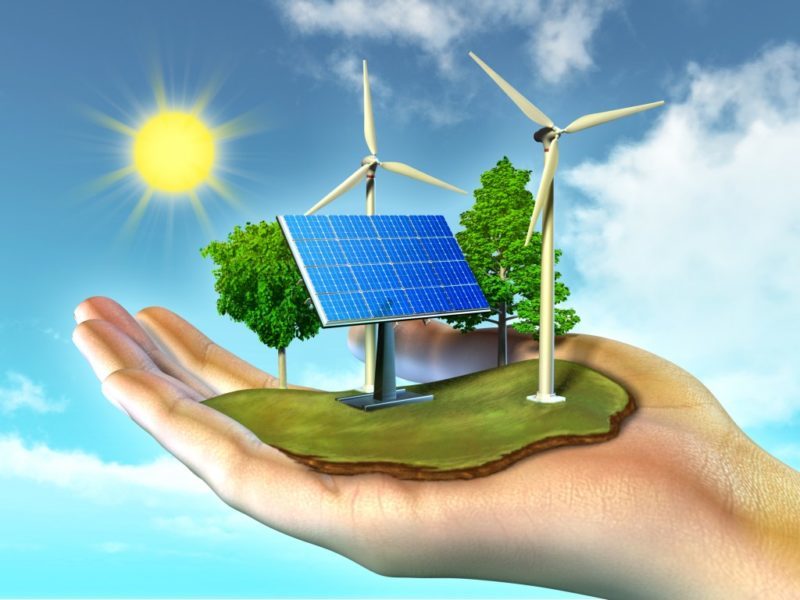
What is Green Energy?
Green energy is any energy type that is generated from natural resources, such as sunlight, wind or water. It often comes from renewable energy sources although there are some differences between renewable and green energy, which we will explore, below.
The key with these energy resources are that they don’t harm the environment through factors such as releasing greenhouse gases into the atmosphere.
How Does it Work?
As a source of energy, green energy often comes from renewable energy technologies such as solar energy, wind power, geothermal energy, biomass and hydroelectric power. Each of these technologies works in different ways, whether that is by taking power from the sun, as with solar panels, or using wind turbines or the flow of water to generate energy.
What Does it Mean?
In order to be deemed green energy, a resource cannot produce pollution, such as is found with fossil fuels. This means that not all sources used by the renewable energy industry are green. For example, power generation that burns organic material from sustainable forests may be renewable, but it is not necessarily green, due to the CO2 produced by the burning process itself.
Green energy sources are usually naturally replenished, as opposed to fossil fuel sources like natural gas or coal, which can take millions of years to develop. Green sources also often avoid mining or drilling operations that can be damaging to eco-systems.
Want to get the best compatible rate for your electricity/gas account(s). Or want to learn more about our programs.
Please call us: 1 (866) 569 0003 or fill the form below, and a representative will contact you.